

What Resilience Really Means in Everyday Life?
Resilience and determination are essential skills when facing life’s challenges. Whether you are dealing with stress, emotional overwhelm, or major life transitions, learning how to build resilience can help you stay grounded and move forward with clarity.
Resilience and determination are not about avoiding struggle… Life does not always move in the direction we expect. At times, we face loss, stress, uncertainty, or emotional exhaustion that can leave us feeling disconnected from ourselves. Resilience and determination are not about pretending everything is fine. They are about finding the strength to keep going while staying honest about what you feel, what you need, and who you truly are. When authenticity leads the way, challenges can become opportunities for growth, clarity, and deeper self-trust.
Why Determination Matters During Difficult Times
Resilience and determination are essential qualities that help individuals navigate the complexities of life. Resilience refers to the ability to bounce back from adversity, setbacks, or challenges, demonstrating emotional strength and adaptability. This mental fortitude allows people to maintain a positive outlook, even in the face of difficult situations. Determination, on the other hand, signifies the resolve to achieve a goal despite obstacles or hardships. Together, these traits create a powerful synergy that fosters personal growth and success.
Psychological research has shown that resilience not only helps individuals cope with stress but also contributes to overall well-being. For example, those who exhibit resilience tend to have a strong network of support, which enables them to share their experiences, seek advice, and gain new perspectives. Furthermore, adaptive coping strategies—such as reframing negative experiences as opportunities for growth—play a significant role in enhancing resilience. Individuals who successfully demonstrate these qualities often serve as inspiring examples, such as athletes overcoming injuries or entrepreneurs persevering through failure.
However, many individuals face barriers to developing resilience and determination. Common challenges include the fear of failure, which can hinder one’s willingness to take risks and pursue ambitious goals. Negative self-talk also diminishes confidence and creates a mental environment ripe for discouragement. To cultivate these essential qualities, it is crucial to build self-awareness and challenge limiting beliefs. Engaging in mindfulness practices, setting realistic goals, and surrounding oneself with positive influences can significantly boost emotional resilience and determination.
Overall, understanding the essence of resilience and determination is crucial for personal development. By recognizing their importance and actively working to overcome the barriers that impede these traits, individuals can enhance their capacity to cope with life’s challenges authentically and effectively.
The Role of Authenticity in Emotional Strength
Authenticity plays a crucial role in fostering resilience, as it allows individuals to align their actions, thoughts, and feelings with their core values and beliefs. When people are true to themselves, they cultivate a strong sense of self-awareness and confidence. This inner certainty is pivotal when navigating life’s challenges, as it empowers individuals to face adversities with clarity and determination. Authenticity acts as a foundation upon which resilience can be built, providing a solid ground in moments of doubt or turmoil.
Moreover, the pressure to conform to societal expectations can often undermine personal authenticity. In various spheres—be it in the workplace, social circles, or even within family dynamics—individuals may feel compelled to adapt their behavior, thoughts, or beliefs to meet perceived standards. This disconnection from one’s true self can lead to internal conflict, weakening one’s ability to cope with challenges effectively. In contrast, embracing authenticity enables individuals to harness their genuine strengths, making it easier to overcome obstacles when they arise.
To cultivate authenticity, individuals can adopt various strategies to achieve resilience and determination levels. Self-reflection is essential; taking time to understand one’s values, strengths, and passions can help clarify what it means to be authentic. Setting boundaries and developing assertive communication skills are equally important, as these tactics foster environments that respect personal authenticity. Engaging in supportive relationships with people who appreciate and celebrate one’s true self can further reinforce this sense of authenticity.
Real-life examples illustrate the positive outcomes of staying true to oneself. For instance, successful public figures often share stories of how embracing their authentic selves led to personal growth and resilience in the face of adversity. By prioritizing authenticity, they have not only navigated challenges but also inspired others to do the same, demonstrating the powerful relationship between authenticity and resilience.
How to Build resilience and determination Step by Step
In the journey of life, individuals often encounter various challenges that test their resilience and determination. A vital component that can significantly influence one’s ability to navigate these obstacles is the practice of listening to one’s inner voice. This inner voice, often referred to as intuition or instinct, serves as a guide, helping individuals make decisions that align with their authentic selves. Cultivating self-awareness is essential for tapping into this valuable resource.
- Develop awareness of your emotional patterns
- Create small daily routines for stability
- Accept discomfort instead of avoiding it
- Focus on what you can control
- Ask for support when needed
To effectively listen to your inner voice, the first step involves creating space for introspection. Engaging in regular mindfulness practices, such as meditation or journaling, allows individuals to quiet external noise and foster a deeper connection with their thoughts and feelings. During moments of stillness, one can better differentiate between societal expectations and personal beliefs. This clarity is crucial when facing tough decisions, as it empowers individuals to make choices that resonate with their core values.
Furthermore, trusting in one’s instincts is paramount. Research has shown that intuitive decision-making can enhance resilience by enabling individuals to act decisively in uncertain situations. It is essential to acknowledge that this inner guidance may not always align with logical reasoning; however, it often leads to profound insights that can illuminate the path forward. In the face of adversity, remembering past instances where following your intuition yielded positive outcomes can build confidence in its reliability.
Incorporating expert advice can also enhance one’s ability to listen to the inner voice. Many psychologists suggest asking oneself open-ended questions and reflecting on emotional responses to various situations. This kind of self-inquiry encourages deeper understanding and fortifies the connection to one’s intuitive self. In essence, by fostering self-awareness and embracing intuition, individuals can navigate life’s hurdles more effectively, cultivating resilience even in the face of formidable challenges.
Common Challenges That Test Resilience
- Anxiety and emotional overwhelm
- Relationship struggles
- Life transitions (moving, loss, uncertainty)
- Burnout and stress
Signs You Need to Strengthen Your Resilience
- You feel emotionally overwhelmed by small challenges
- You struggle to recover after setbacks
- You avoid difficult situations or decisions
- You feel stuck, disconnected, or mentally exhausted
When You Don’t Have to Do It Alone
Resilience is not an inherent trait, but rather a skill that can be developed over time through intentional practices. By incorporating effective strategies into daily life, individuals can cultivate resilience while remaining authentic to themselves. One of the key methods is mindfulness. Practicing mindfulness involves being fully present and engaged in the moment, which can significantly reduce stress and anxiety. Techniques such as meditation, deep-breathing exercises, and mindful observation can help individuals connect with their thoughts and feelings, facilitating a greater understanding of their responses to challenges.
Journaling is another powerful tool for enhancing resilience. Writing about one’s experiences, feelings, and thoughts in a safe and private space can lead to self-discovery and emotional processing. This practice allows individuals to reflect on their journey, recognize patterns in their behaviors, and identify areas where growth is possible. Additionally, seeking support from peers can further fortify determination. Building a network of supportive relationships enables individuals to share their experiences, gain perspective, and receive encouragement during difficult times.
As a therapist working with clients navigating stress, transitions, and emotional challenges, I often see how setting healthy boundaries is crucial in the pursuit of authenticity and resilience. Knowing one’s limits and communicating them effectively can reduce feelings of overwhelm and enable individuals to focus on their priorities. To implement these strategies effectively, creating a personalized action plan can be beneficial. This plan should outline specific goals, strategies to achieve them, and the resources needed. It could include daily mindfulness practices, regular journaling sessions, and reaching out to supportive individuals in one’s life.
Inspiration can also be drawn from success stories of diverse individuals who have navigated life’s challenges. Their journeys highlight the transformative power of resilience and the importance of staying true to oneself. Through their examples, readers can find motivation as they embark on their own paths towards resilience and authenticity.
Common Challenges That Test Resilience
- Anxiety and emotional overwhelm
- Relationship difficulties
- Life transitions (moving, loss, change)
- Burnout and stress
IIf you are currently navigating a difficult stage in your life and feel emotionally overwhelmed, this is exactly the kind of work we can do together.
Therapy can help you build resilience, regain clarity, and move forward with stability and confidence.
👉 You can request your session here, and I will guide you through the next steps.
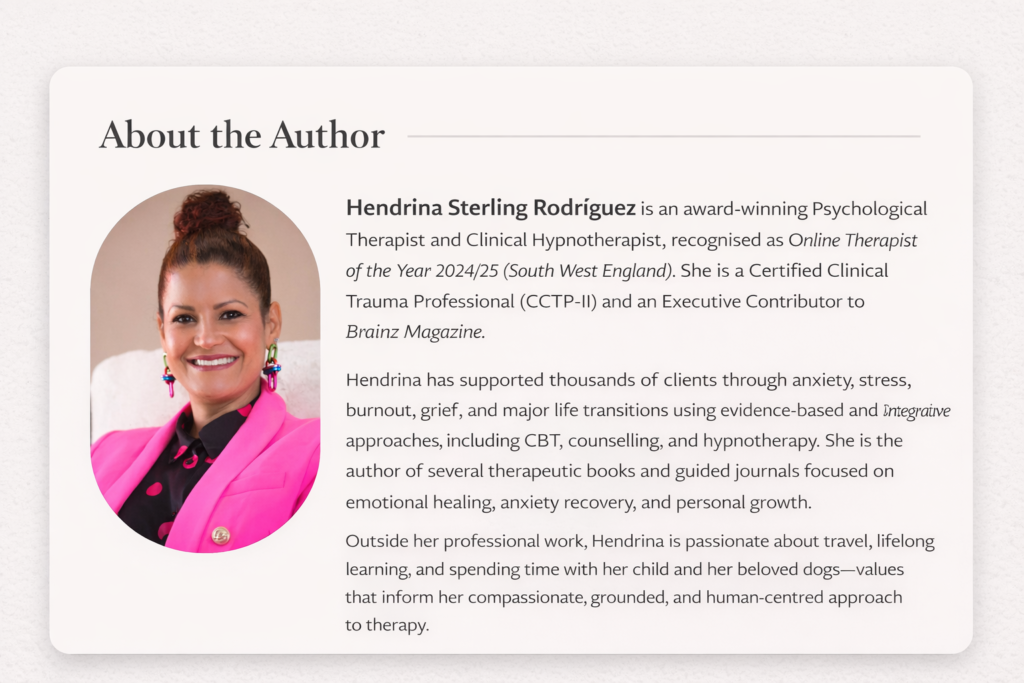
Engaging with a qualified professional, such as Hendrina Sterling Rodriguez, an experienced award-winning psychotherapist, can further enhance your journey. Through tailored therapeutic approaches, she can assist you in identifying and overcoming obstacles, fostering a deeper understanding of your emotional landscape. By working together, you can develop practical skills to cultivate resilience and navigate life’s complexities with authenticity. Let’s build resilience and determination together! Embrace the opportunity to transform challenges into stepping stones towards a more empowered and fulfilling life.
Many clients I work with come in feeling overwhelmed, but through structured support, they begin to rebuild resilience step by step.
Need support? Therapy can support you in building resilience
Get in touch today or Book Your session Here!
Frequently Asked Questions About Resilience
What is resilience in simple terms?
Resilience is the ability to adapt, recover, and continue moving forward despite challenges or setbacks.
Can resilience be learned?
Yes, resilience is a skill that can be developed through awareness, habits, and support.
How long does it take to build resilience?
It varies, but consistent small changes can create noticeable improvements over time.